
Puppy Power's Collar and Harness Guide
If you’re a puppy owner or are thinking of becoming one, it’s important to know about the different types of collars and harnesses available. In this blog post, we’ll discuss the pros and cons of each type of collar or harness and some tips for choosing the right one for your pup. Stay tuned!
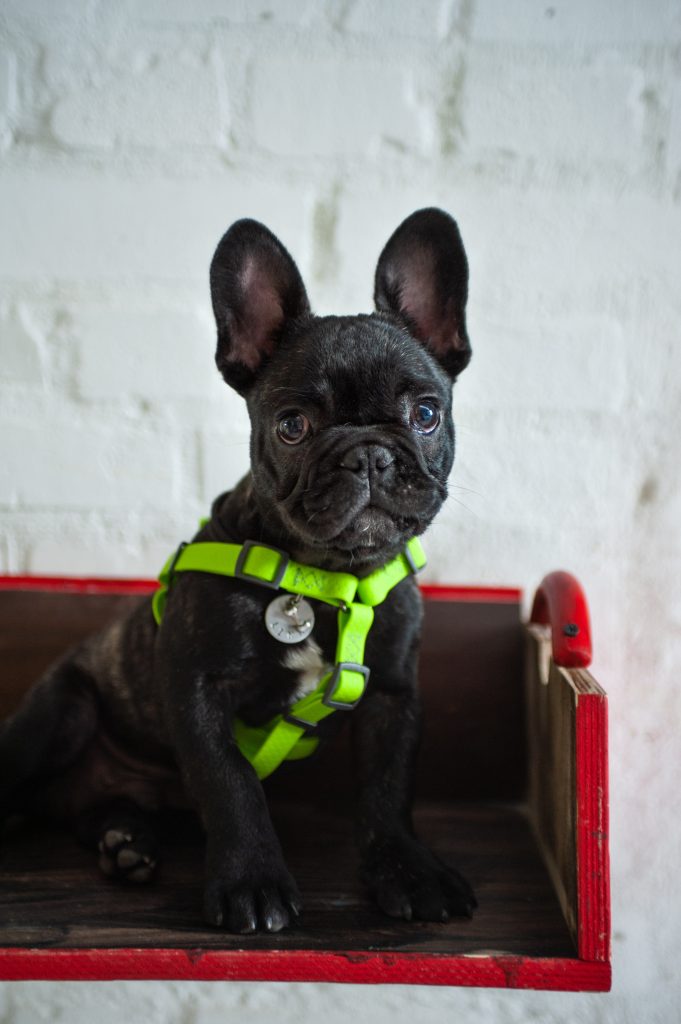
The Importance of the Right Puppy Collar and Harness Combination
The type of collar you choose will depend on several factors, including your puppy’s size, activity level, and coat type. A lightweight collar is a good option if you have a small or toy-breed puppy. For puppies that are medium to large in size or who have thick fur, a wider and more durable collar is a better choice.
It’s crucial to find a collar and harness that fit well and are comfortable for your puppy to wear. Adjust the collar or harness as your puppy grows so it always fits properly. You can help keep your pup safe and comfortable on walks and adventures with the right collar and harness combination.
Our Recommended Puppy Collar and its Use
There are a few different types of puppy collars, and deciding which is right for your pup can be tricky. But here is my personal recommendation.
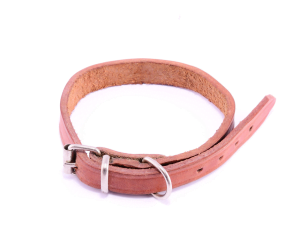
Buckle Collar
Best for Puppies That Adjust to Collars Quickly
A buckle collar is the most basic type of puppy collar and is a good choice for most dogs. It’s easy to put on and take off and is adjustable to ensure a comfortable fit.
The Different Types of Puppy Harnesses and Uses
A harness is an excellent choice for dogs who pull on their leash, as it evenly distributes the pressure around their chest and shoulders.
There are a few different types of puppy harnesses on the market, each with its own advantages and disadvantages. Here’s a quick rundown of the most popular options:
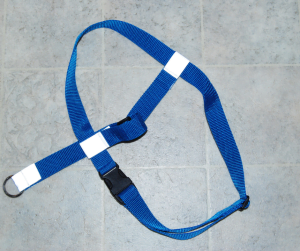
The Standard Harness
This is the most basic type of harness and is usually made from nylon or another similar material. It typically has two D-rings on the back, which are used to attach a leash.
Pros: Inexpensive, easy to find, generally adjustable to fit various dog sizes.
Cons: Not as comfortable as other harnesses; can rub or chafe your pup’s skin.

The No-Pull Harness
This harness is designed to discourage your pup from pulling on the leash. It typically has a ring on the front of the harness, which attaches to the leash, and another on the back.
Pros: Can be effective in reducing pulling, often adjustable to fit different dog sizes.
Cons: Some dogs may find this type of harness uncomfortable, as it can pressure the chest and front legs.
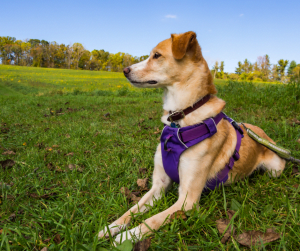
The Step-In Harness
This harness is easy to put on and take off, as it simply “steps” over your dog’s head and fastens around the chest.
Pros: Easy to use, often more comfortable for dogs than other harnesses.
Cons: May be easier for dogs to slip out of, not as adjustable as some other types.
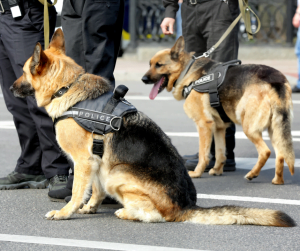
The Vest Harness
This type of harness often looks like a regular vest or jacket and fastens around your dog’s chest and back.
Pros: Can be stylish as well as functional, usually more comfortable for dogs than other types of harnesses.
Cons: Not as adjustable to fit different dog sizes, may be more expensive than other types of harnesses.

The H Harness
This type of harness is often used for dogs that pull on the leash, as it helps to prevent them from pulling too hard and hurting themselves.
Pros: Comfortable, suited to extended periods of wear
Cons: It takes the puppy some time to get used to. It might put too much pressure on the chests of certain dog breeds
No matter which type of harness you choose for your pup, ensure that it fits properly and is comfortable. You should also introduce your dog to the harness gradually so that they can get used to wearing it. And always supervise your pup while they are wearing a harness to prevent any accidents.
Additional Tips
I would also like to share the following three tips with you when it comes to picking puppy collars and harnesses:
- Harnesses and collars should be fitted so you can get two fingers between the dog and the collar/harness.
- Don’t invest a lot of money initially, as they will outgrow their first harness/collar very quickly in their puppy stages.
- Collars and harnesses should always be taken off when back home for safety reasons.
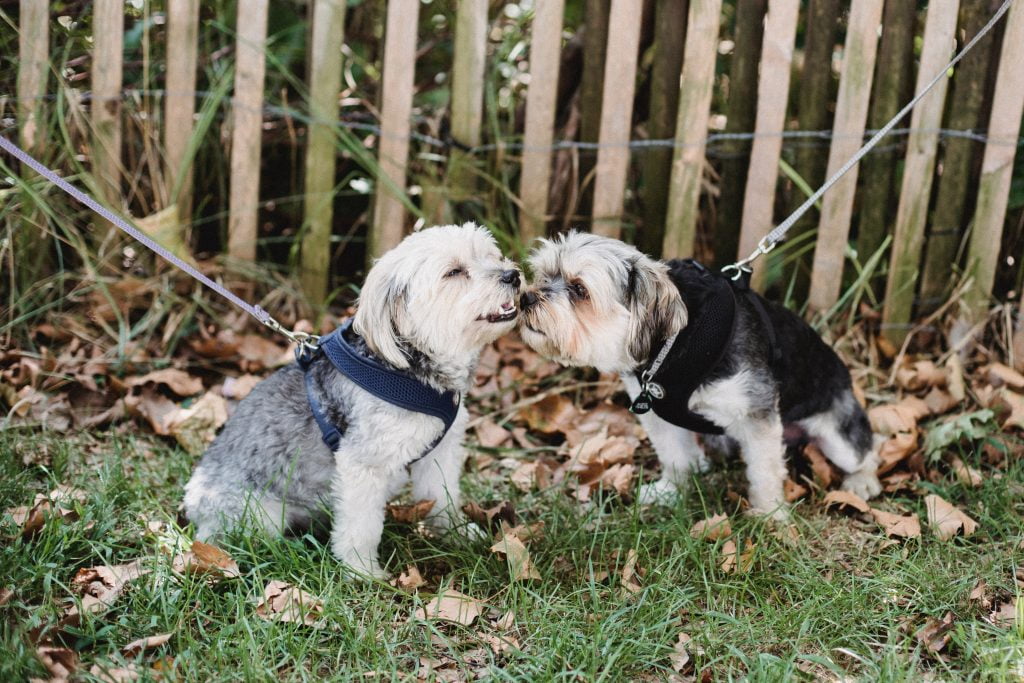
My Recommended Range
My preferred canine collar and harness range is none other than Halti. This premium brand has now hit South African shores and boasts non–pull function. This allows puppies to learn quicker and owners to feel at ease while training their youngest family member.
We’ve Got You Covered
When it comes to choosing the right puppy collar or harness, there are a few things to consider. The most important thing is to ensure that you get one that fits well and is comfortable for your pup.